
Vessel readiness
Prepare Cornelia, technical systems, stores, spares, communications and operating arrangements for the Greenland deployment.
Greenland / Renland
A sailing-and-climbing expedition integrating offshore passage-making, navigation through Greenland’s fjord and ice environment, remote vessel access, equipment transfer and field logistics in support of a new route on one of Greenland’s major big walls.
Vessel-supported delivery — Mirror Wall, Greenland
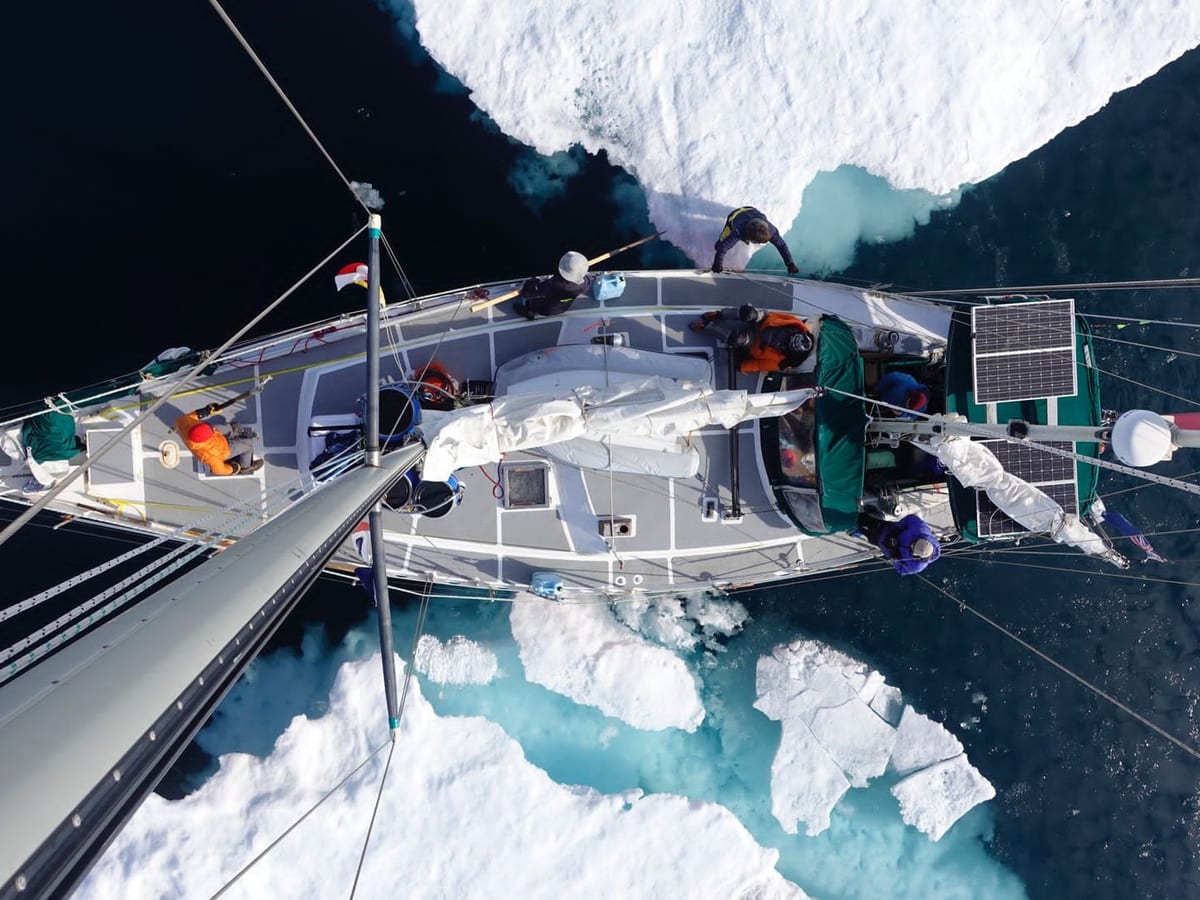
The objective
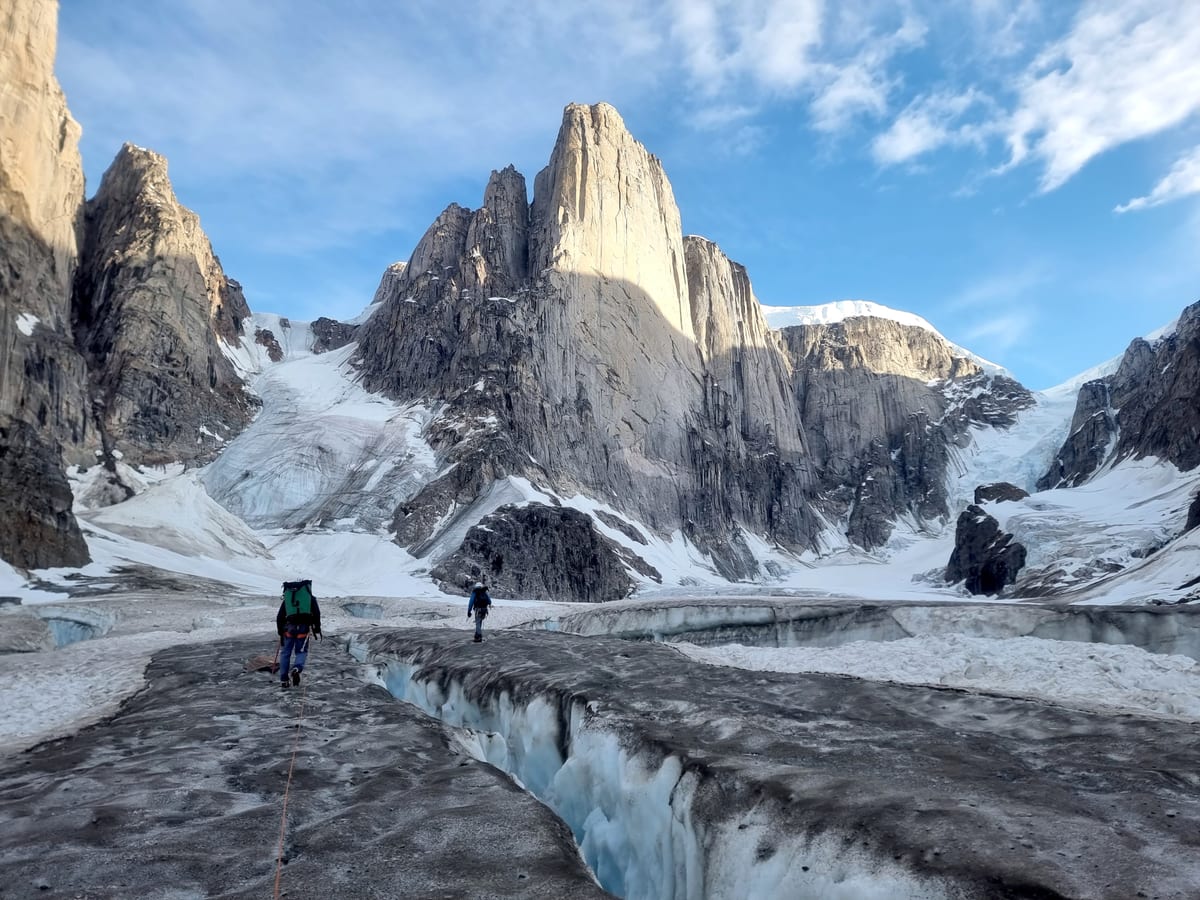
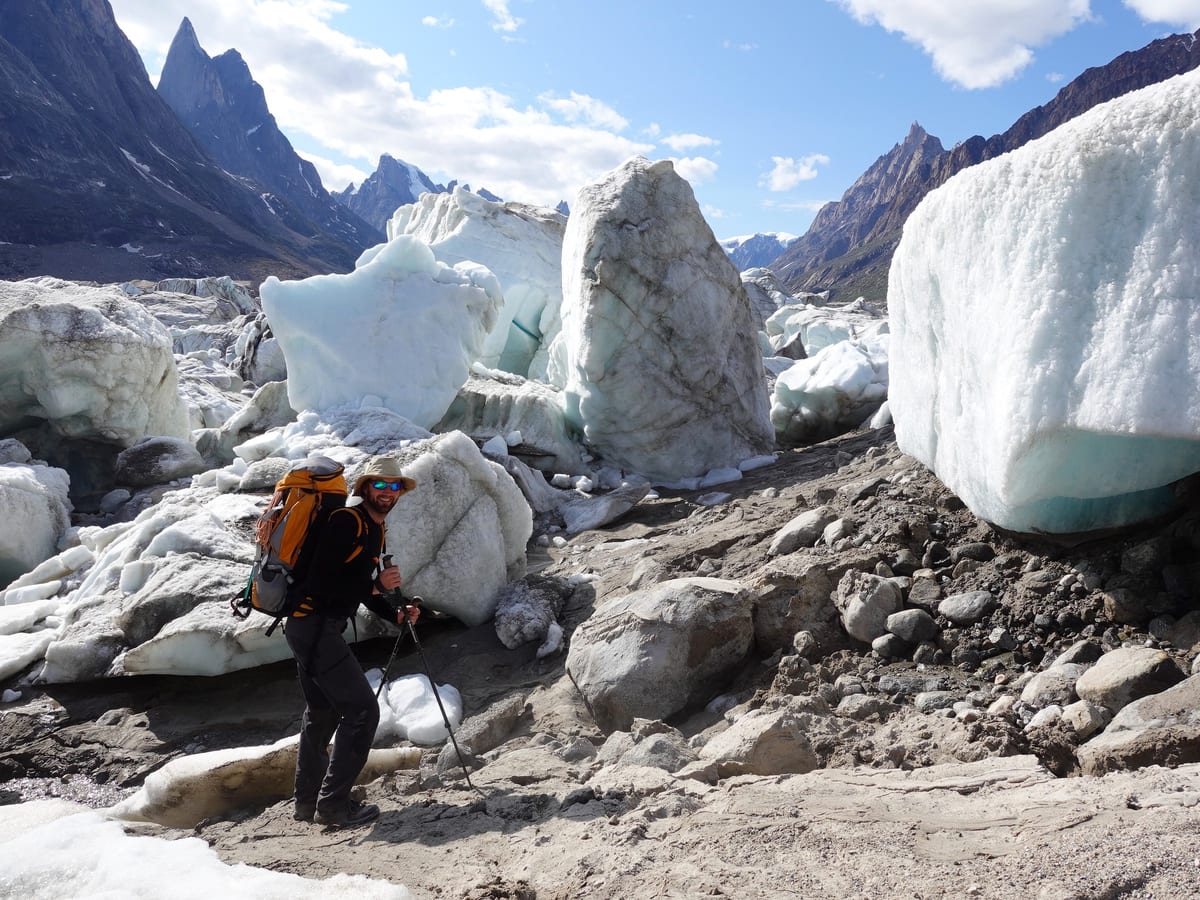
Mirror Wall lies deep within the Renland region of East Greenland, where the climbing objective is separated from conventional transport and infrastructure by a substantial maritime and overland approach.
The expedition required the climbing team, food and technical equipment to be delivered by sailing vessel from Iceland into Greenland and onward to a practical drop-off point for Mirror Wall.
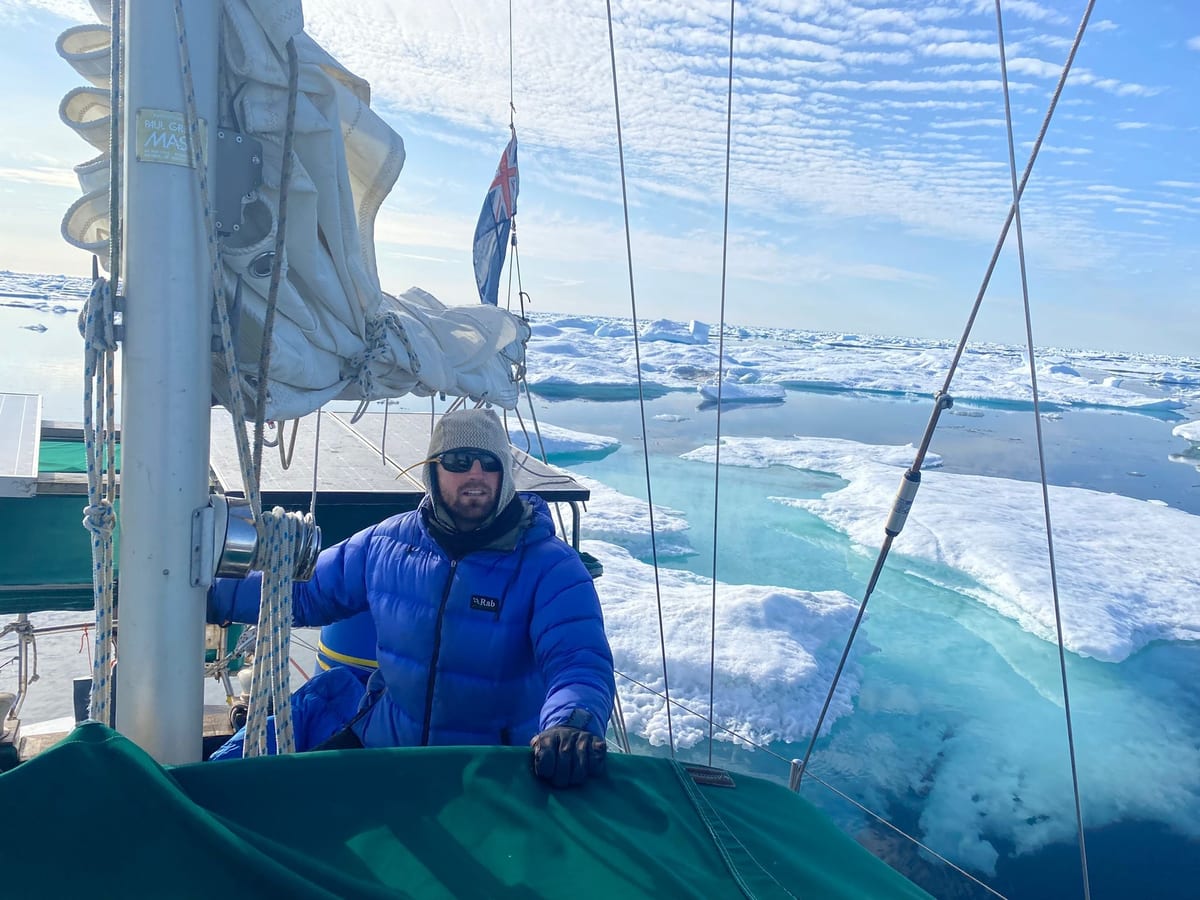
The yacht was therefore part of the expedition delivery system. Vessel readiness, passage-making, sea ice, fjord navigation, weather, remote anchoring, equipment transfer and the requirements of the climbing team all had to be coordinated around the same objective.
Expedition delivery
Prepare Cornelia, technical systems, stores, spares, communications and operating arrangements for the Greenland deployment.
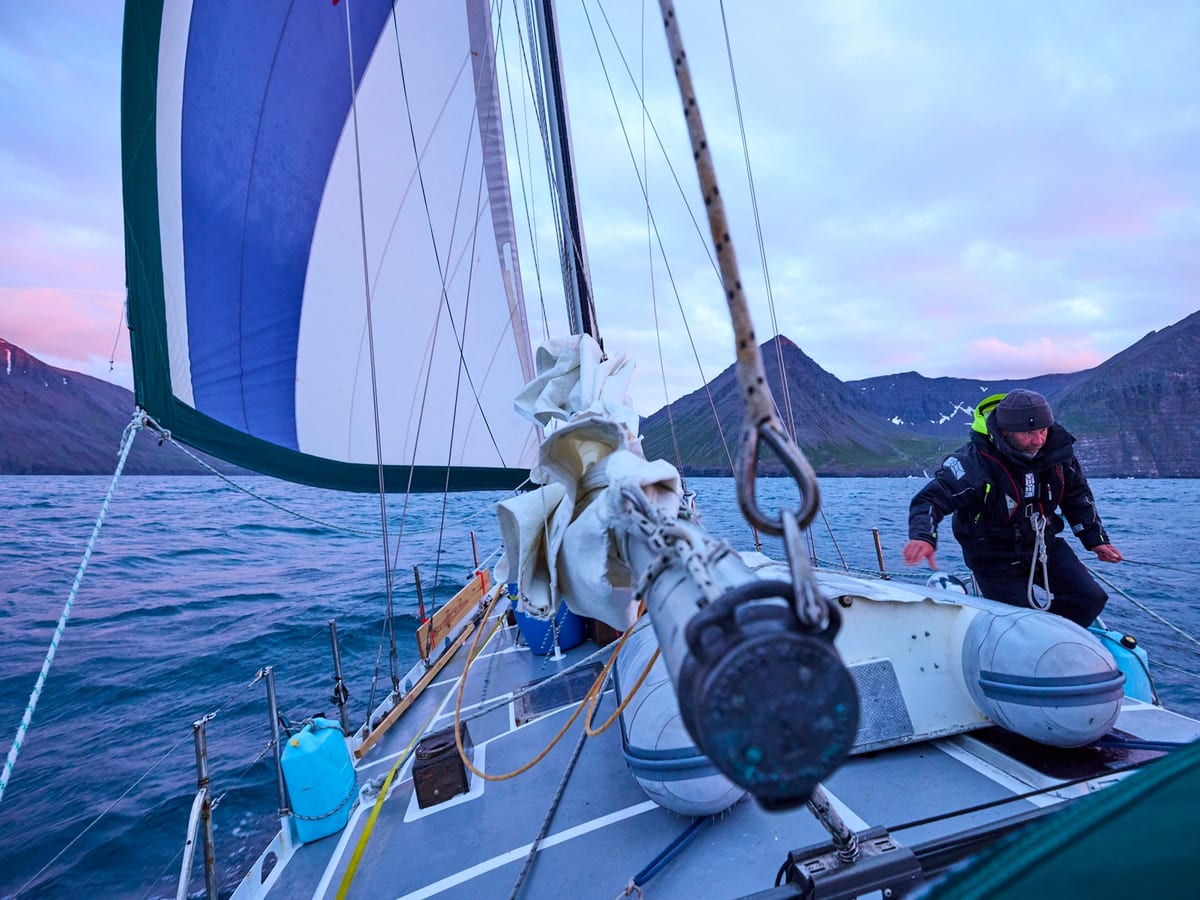
Deliver the expedition from Iceland toward East Greenland through an exposed North Atlantic and Arctic operating environment.
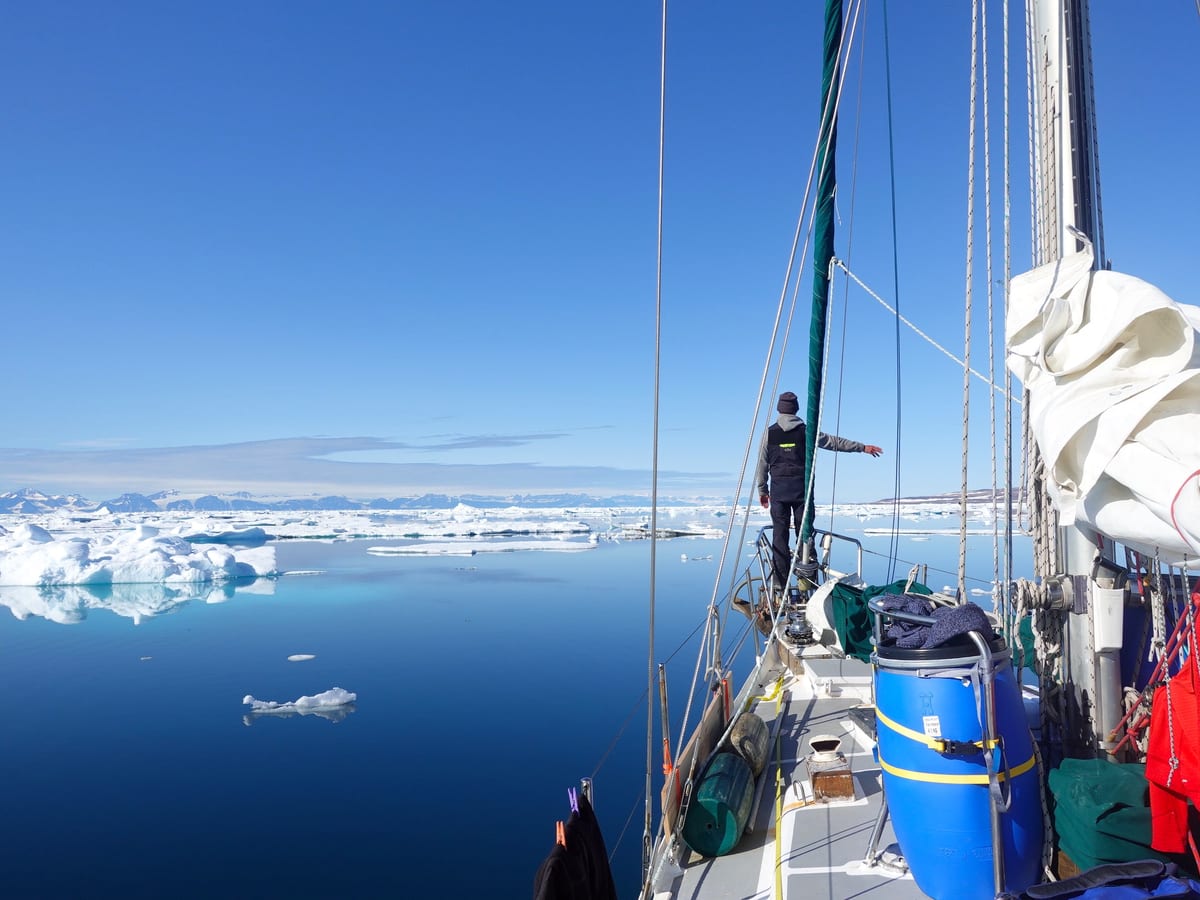
Manage sea ice, weather, navigation and practical vessel movement through Greenland’s extensive fjord system.
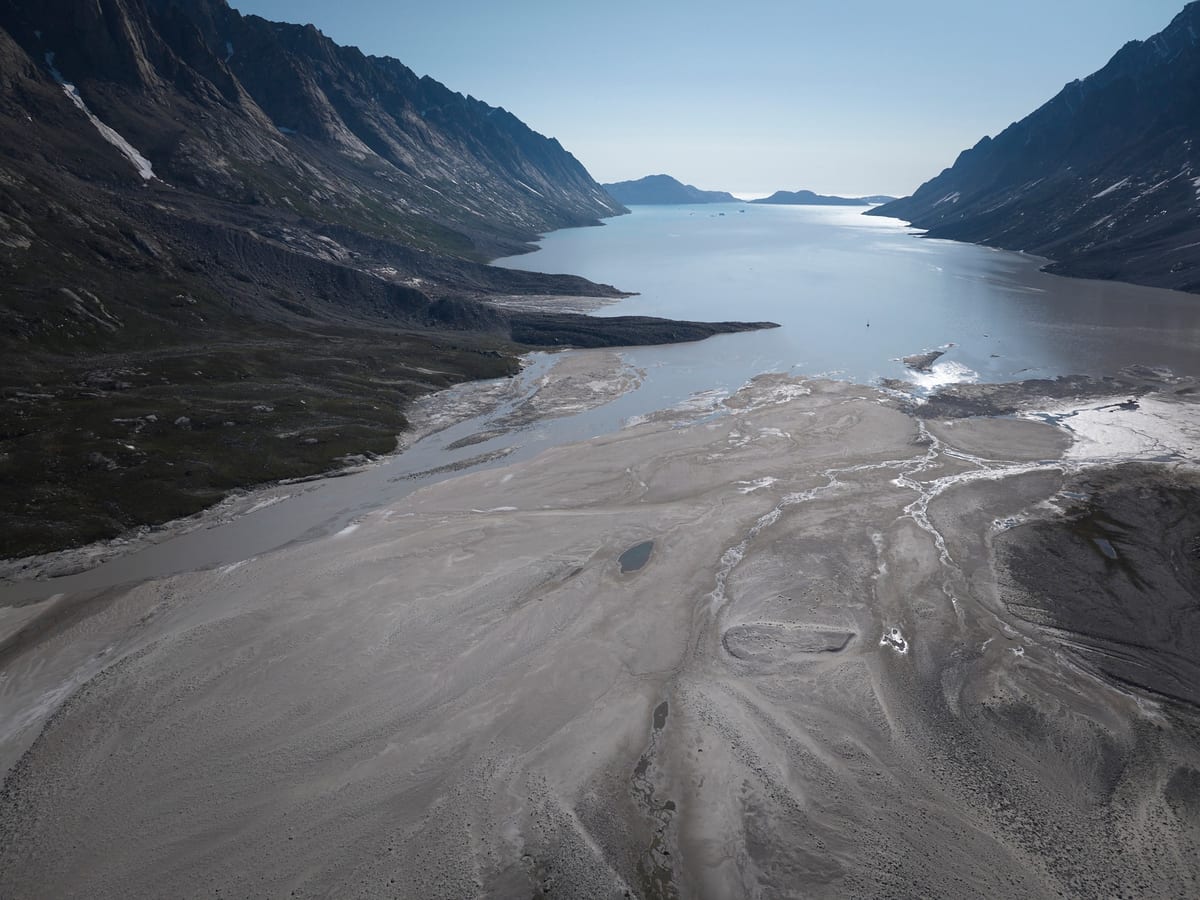
Establish a workable vessel position and expedition drop-off point in the Skillebugt area for access toward Mirror Wall.
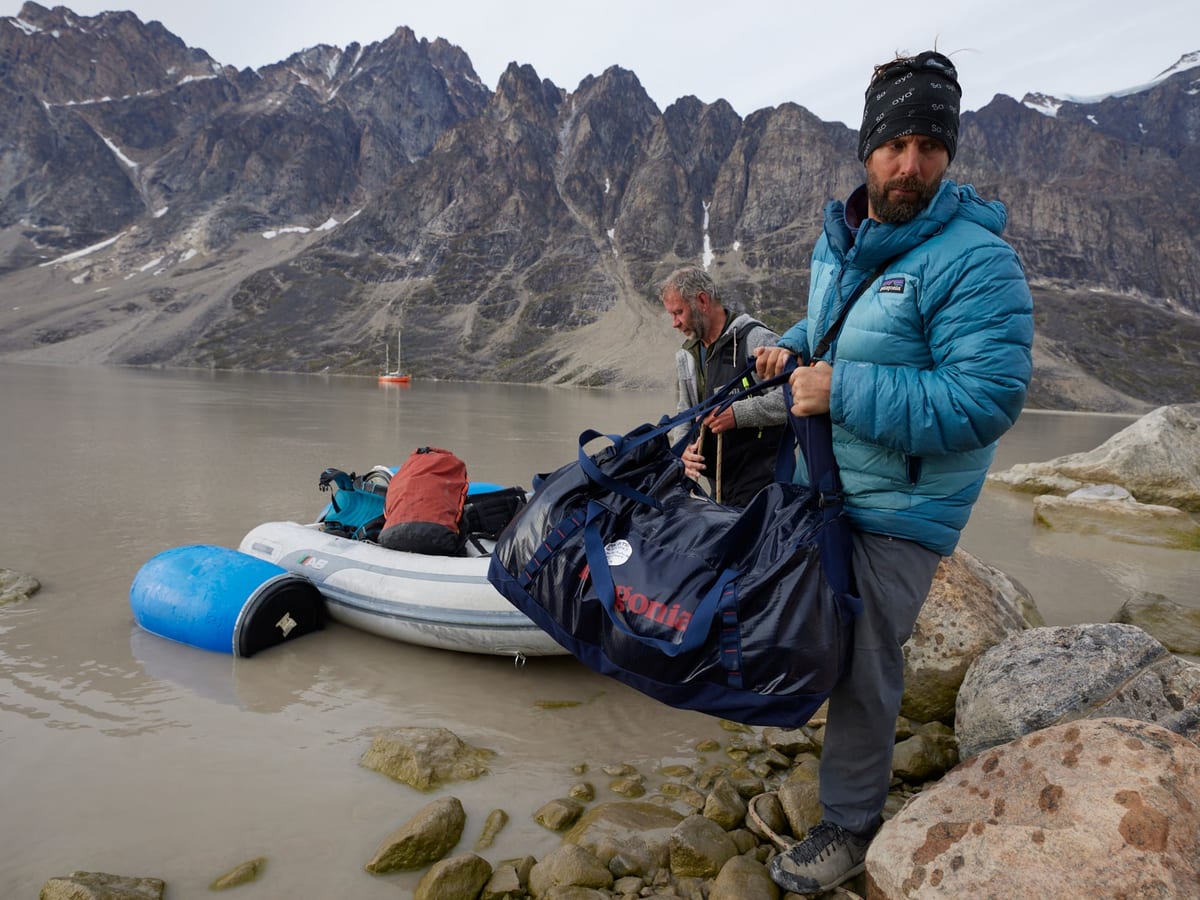
Move climbing equipment, food and expedition stores from the vessel into the field-delivery chain.
Coordinate maritime delivery around the timing, equipment and access requirements of the climbing expedition.
Before the climbing team could begin work on Mirror Wall, the expedition first had to solve the maritime delivery problem: prepare the vessel, cross from Ireland, negotiate Greenland’s operating environment, establish access and move a large quantity of technical equipment into the field.
Vessel readiness, North Atlantic sailing, weather and self-sufficiency.
Sea ice, fjord navigation, anchorage and the practical expedition drop-off point.
Food, climbing equipment and technical loads moved from yacht toward advanced base.
The maritime delivery system created the opportunity for the climbing expedition to operate on Mirror Wall.
The delivery path
Prepare
Passage
Ice + fjords
Anchor
Unload
Field approach
The expedition depended on continuity across every stage. Vessel preparation enabled the offshore passage; the passage enabled access to Renland; navigation and anchoring enabled the equipment transfer; and the transfer enabled the climbing team to establish itself below Mirror Wall.
Remote logistics
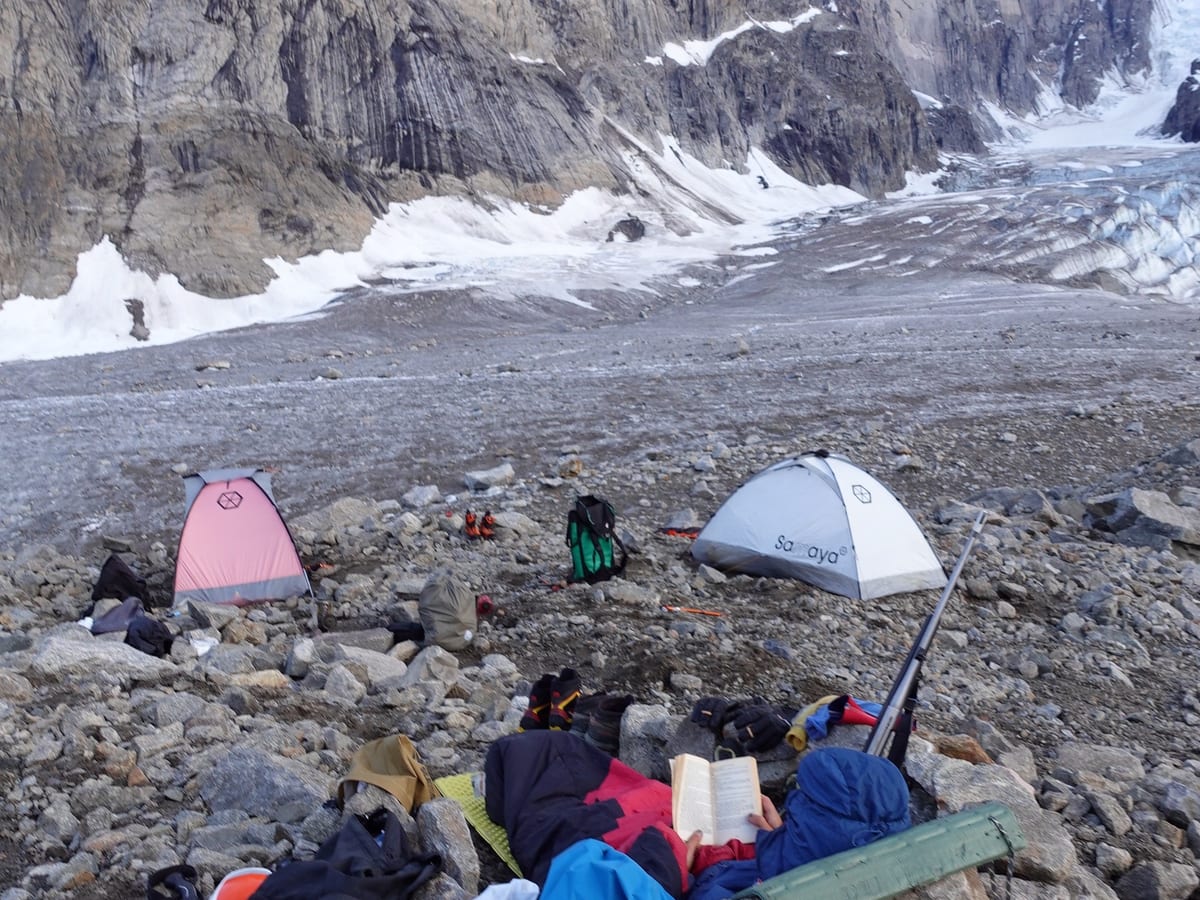
Reaching the drop-off point did not complete the delivery problem. Large quantities of climbing equipment, food and expedition stores still had to move from the maritime environment toward advanced base below the wall.
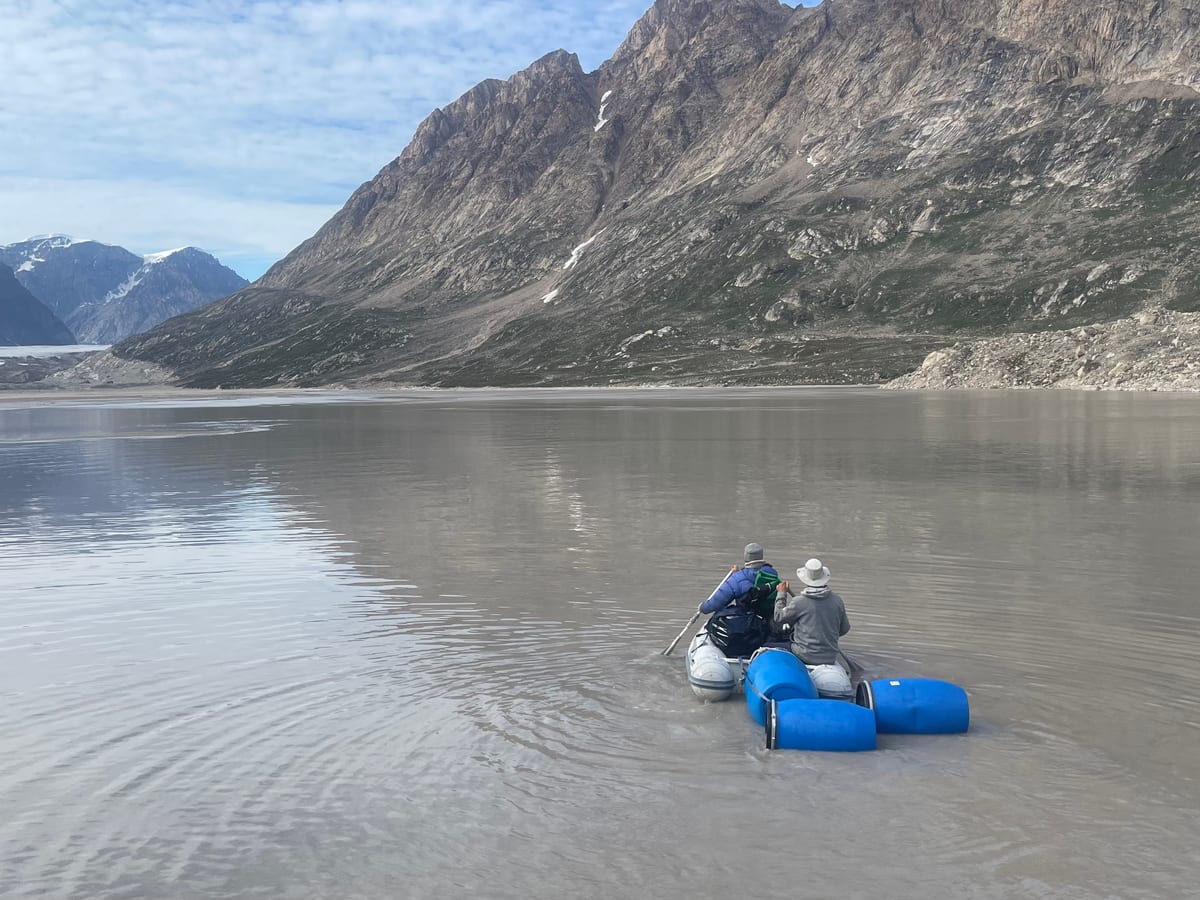
Transfer personnel, equipment and stores from Cornelia into the terrestrial logistics chain.
Support a substantial multi-stage movement of expedition loads toward advanced base.
Deliver sufficient equipment and stores for the climbing team to operate remotely after the vessel phase was complete.
The climbing outcome
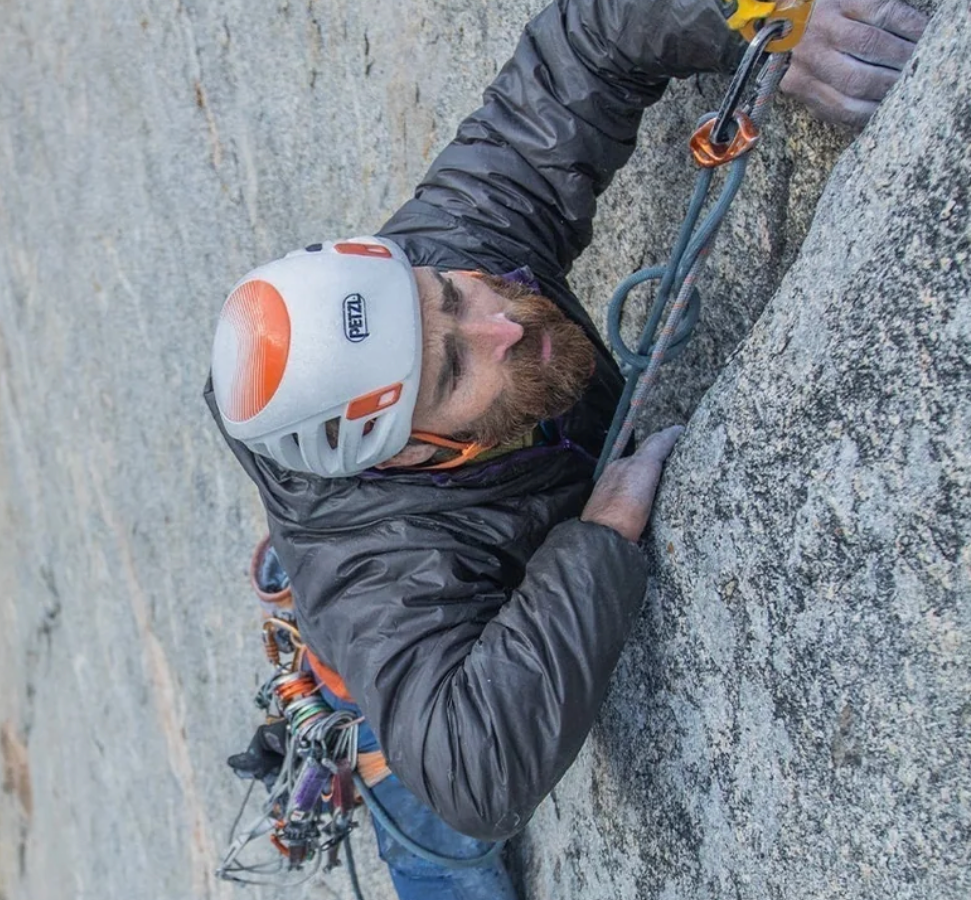
The 2023 and 2024 expedition delivered the climbing teams to Mirror Wall, where in 2024 Julia Cassou, Sean Warren, Pete Whittaker and Sean Villanueva O’Driscoll subsequently completed the first ascent of Ryu-Shin, a major new route on the wall.
The American Alpine Club Journal records that the team departed Ísafjörður in 2024, aboard Cornelia, captained by Mike Brooks, and anchored in Skillebugt before beginning the load-ferrying operation toward the wall.
What this demonstrates
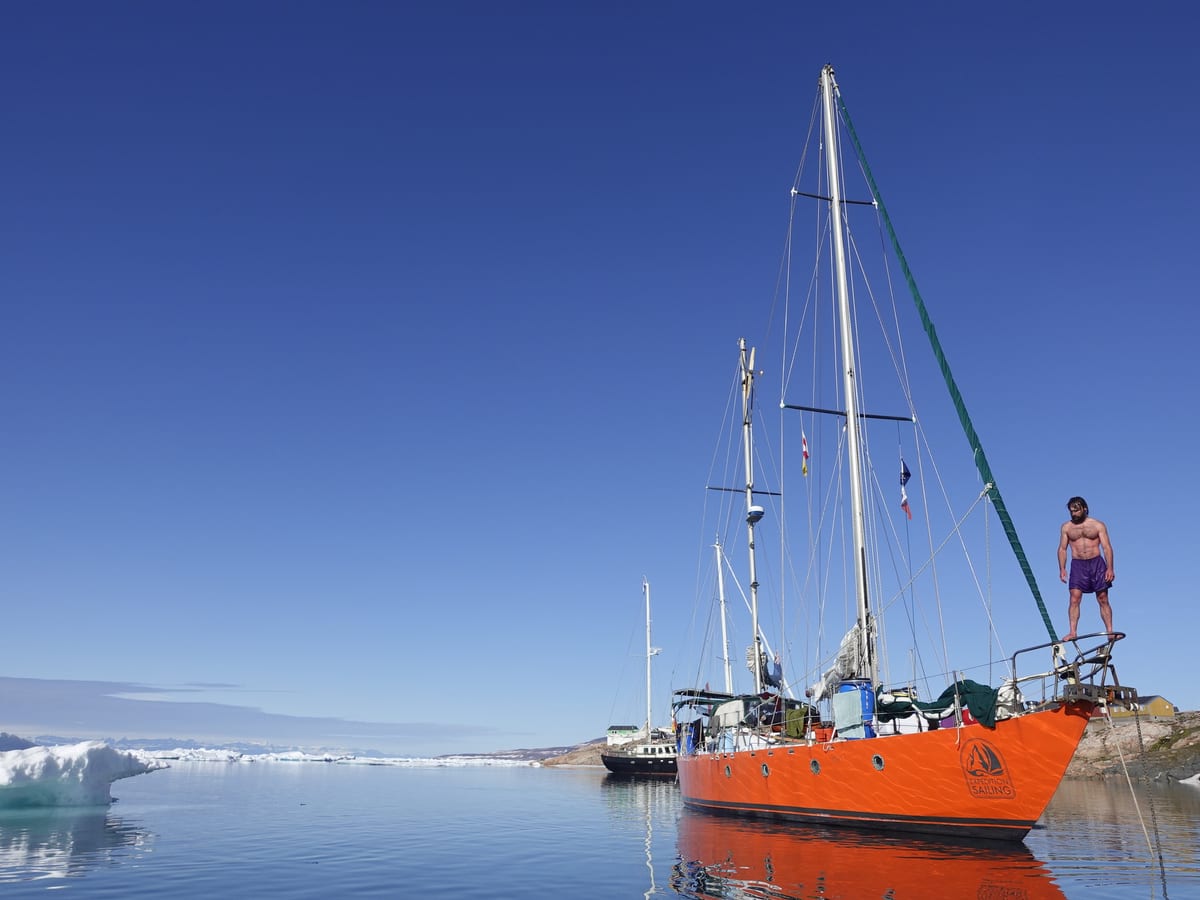
The yacht was transport, logistics platform, accommodation and the link between conventional access and remote field operations.
Food, climbing equipment, technical loads and field requirements had to be considered before the team could operate independently.
Passage timing, ice, anchorage, unloading and field requirements all influenced the same expedition outcome.
Expedition gallery
Selected Publications + media
Sailing Today
Author: Bob Shepton
Date: 7 April 2025
Read articleSailing Today
Author: Michael Brooks
Date: April 2025
Read articleScarpa
Author: Sean Villanueva
Date: 2025
Read articlePatagonia
Author: Meaghen Brown
Date: November 2025
Read articleRelated experience
Vessel-supported first-ascent expedition integrating maritime access, field logistics and climbing operations.
View projectVessel rebuild, readiness and 80,000+ NM of offshore and remote operations.
View case studyBMP Maritime can support feasibility, vessel preparation, passage planning, expedition logistics, equipment, remote access and delivery coordination.
Discuss a project