
Passage + vessel readiness
Prepare the vessel, stores, technical systems, equipment and operating plan for an extended remote Antarctic expedition.
Antarctica
A vessel-supported sailing and ski-mountaineering expedition integrating Antarctic passage-making, remote access, field logistics, ski and glacier travel, communications and contingency planning around a first-ascent objective.
First ascent — Mount Bridgman, Antarctica
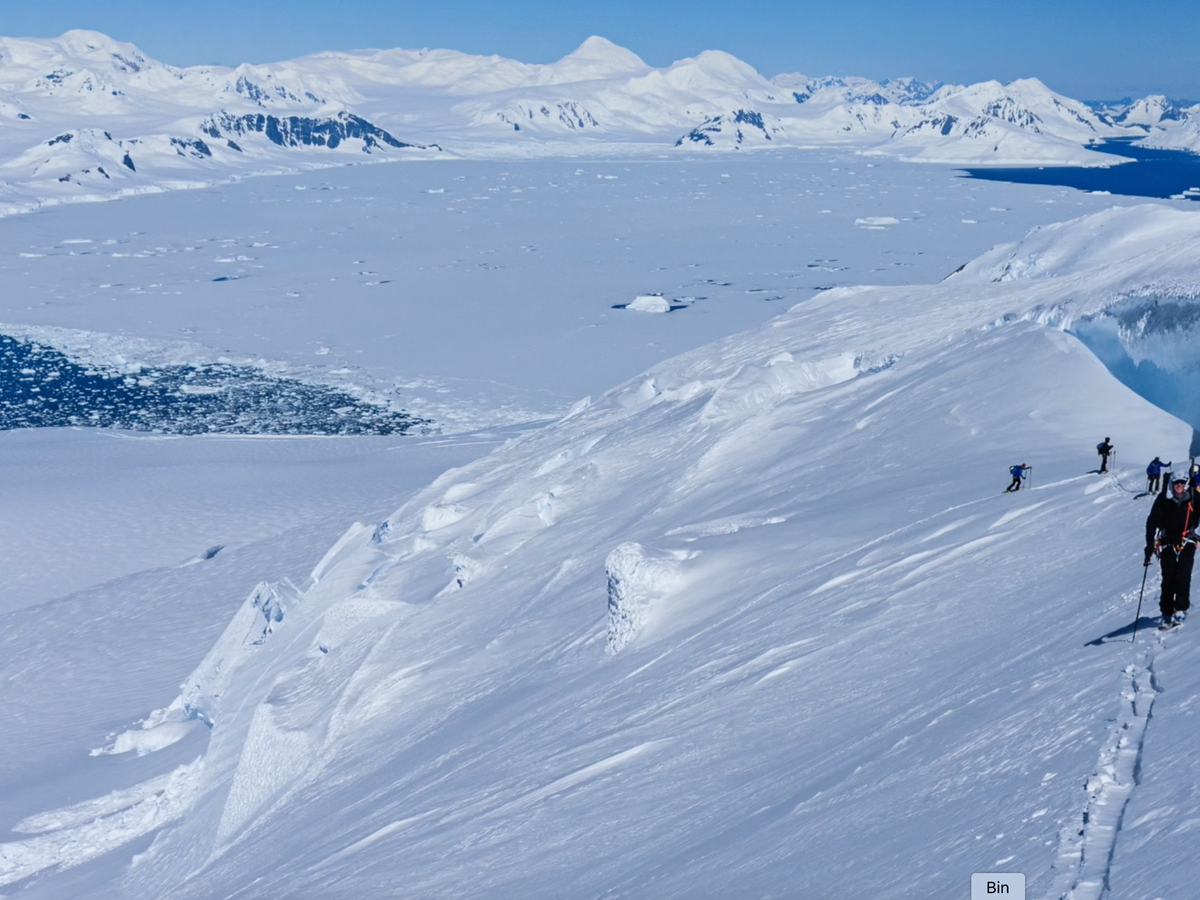
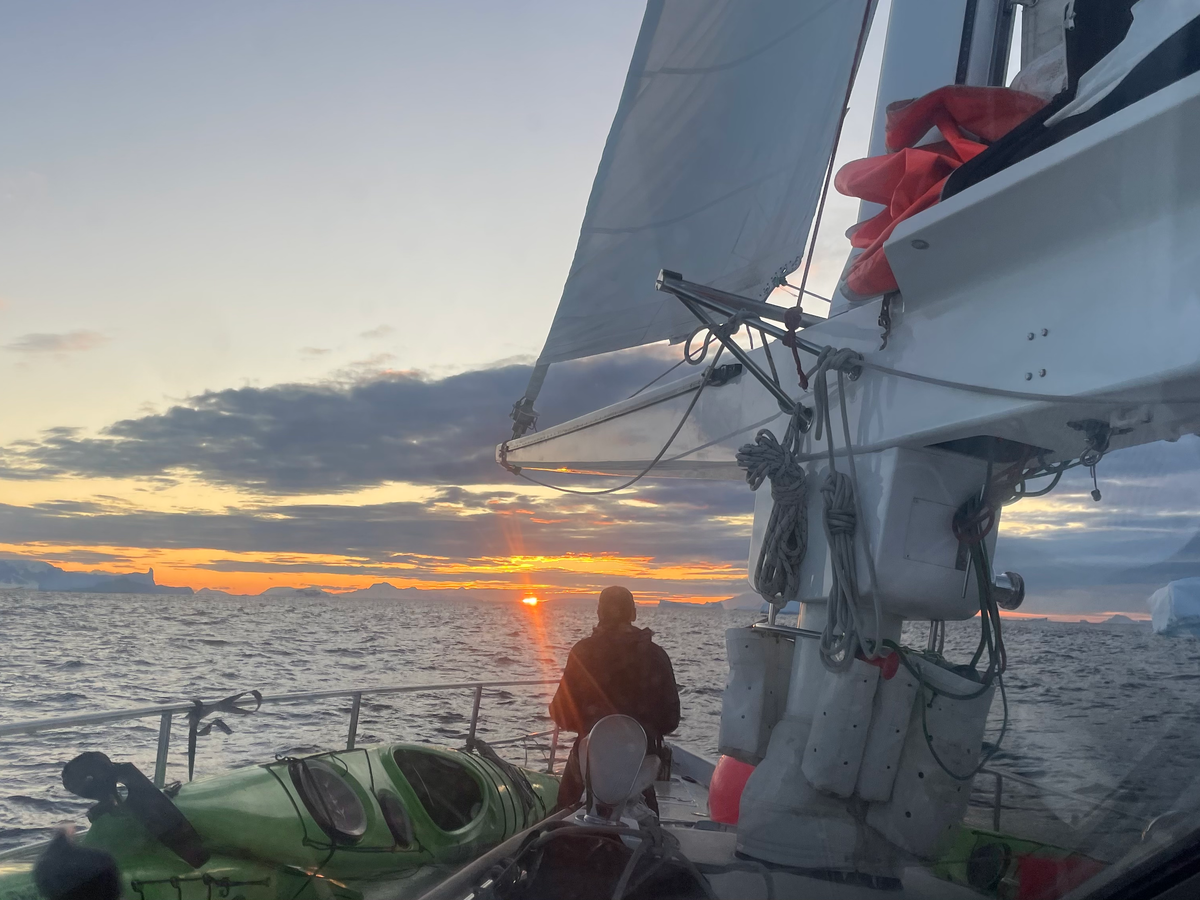
The objective
The expedition objective depended on much more than the ski-mountaineering itself. The team first had to reach the operating area by vessel, identify workable access, move personnel and equipment from the yacht into the field, maintain communications and retain practical recovery options in a remote Antarctic environment.
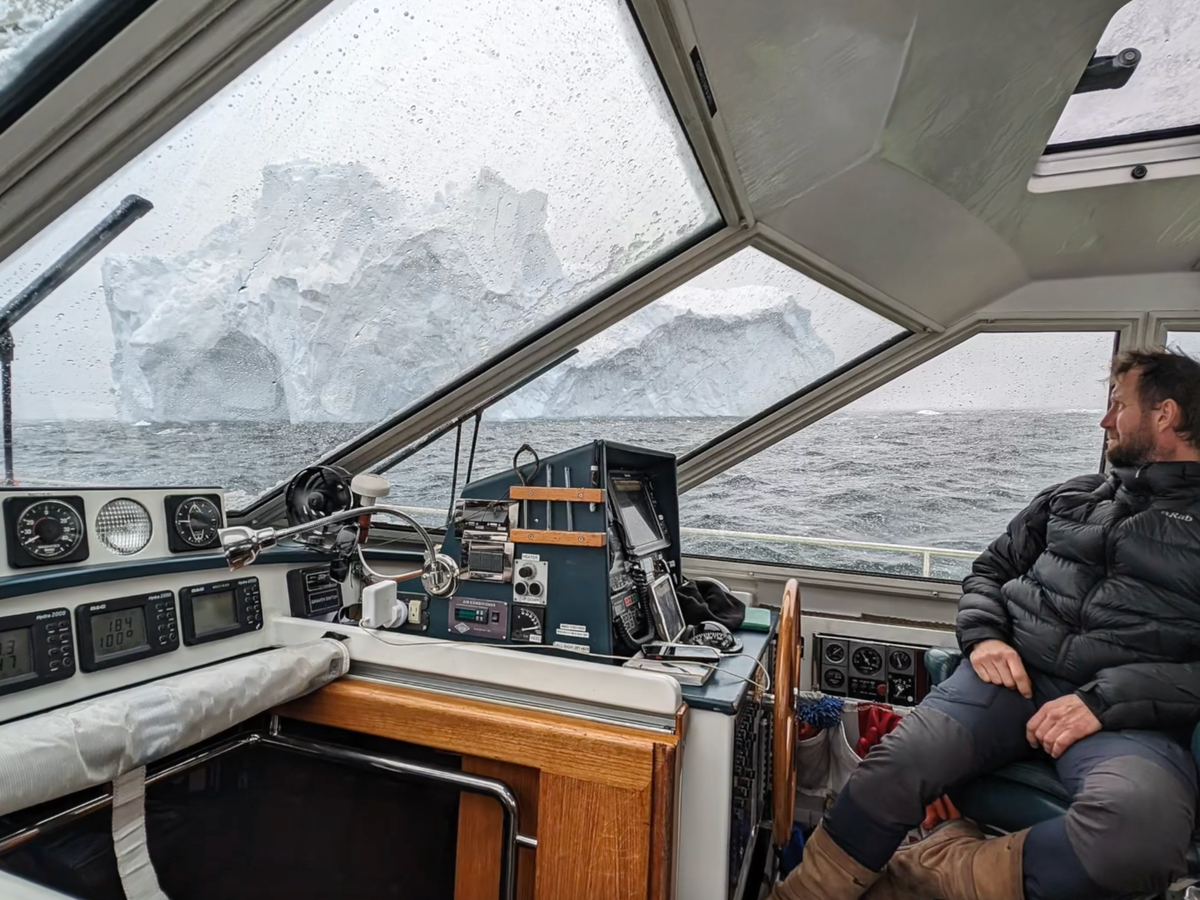
The vessel therefore formed part of the expedition system rather than simply providing transport. Passage planning, weather, access, anchorages, field equipment, ski and glacier movement and contingency arrangements all had to support the same objective.
Expedition delivery
Prepare the vessel, stores, technical systems, equipment and operating plan for an extended remote Antarctic expedition.
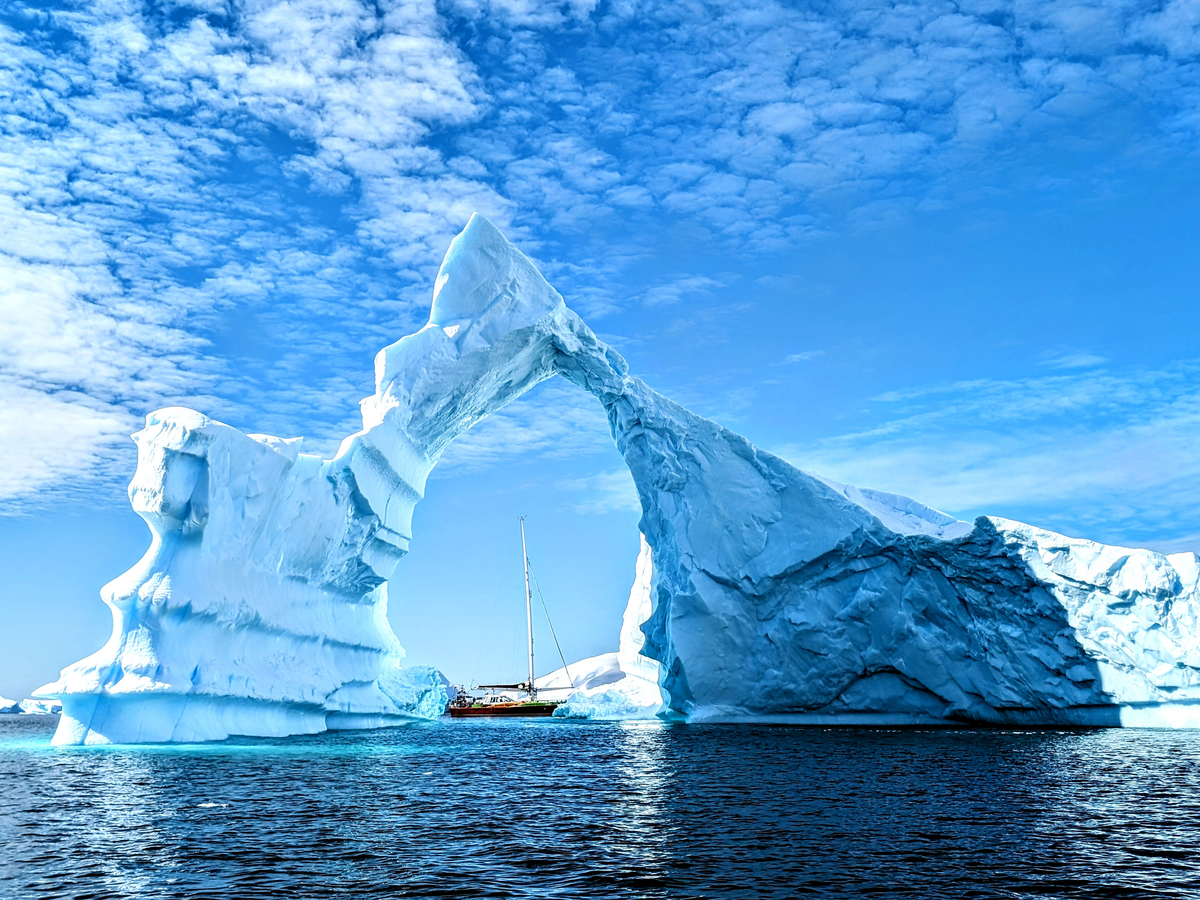
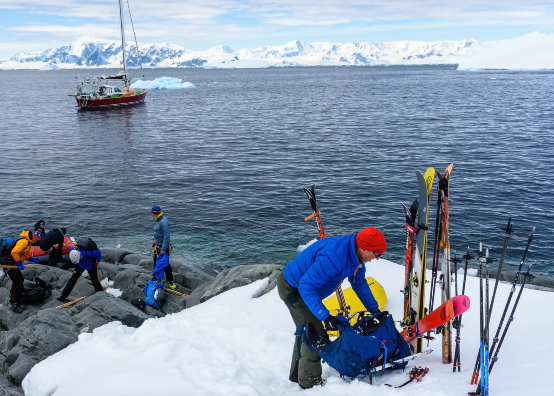
Assess vessel access, anchorages, landing options and the practical movement of personnel and equipment between sea and shore.
Coordinate climbing, ski, glacier, communications and supporting expedition equipment around the field objective.
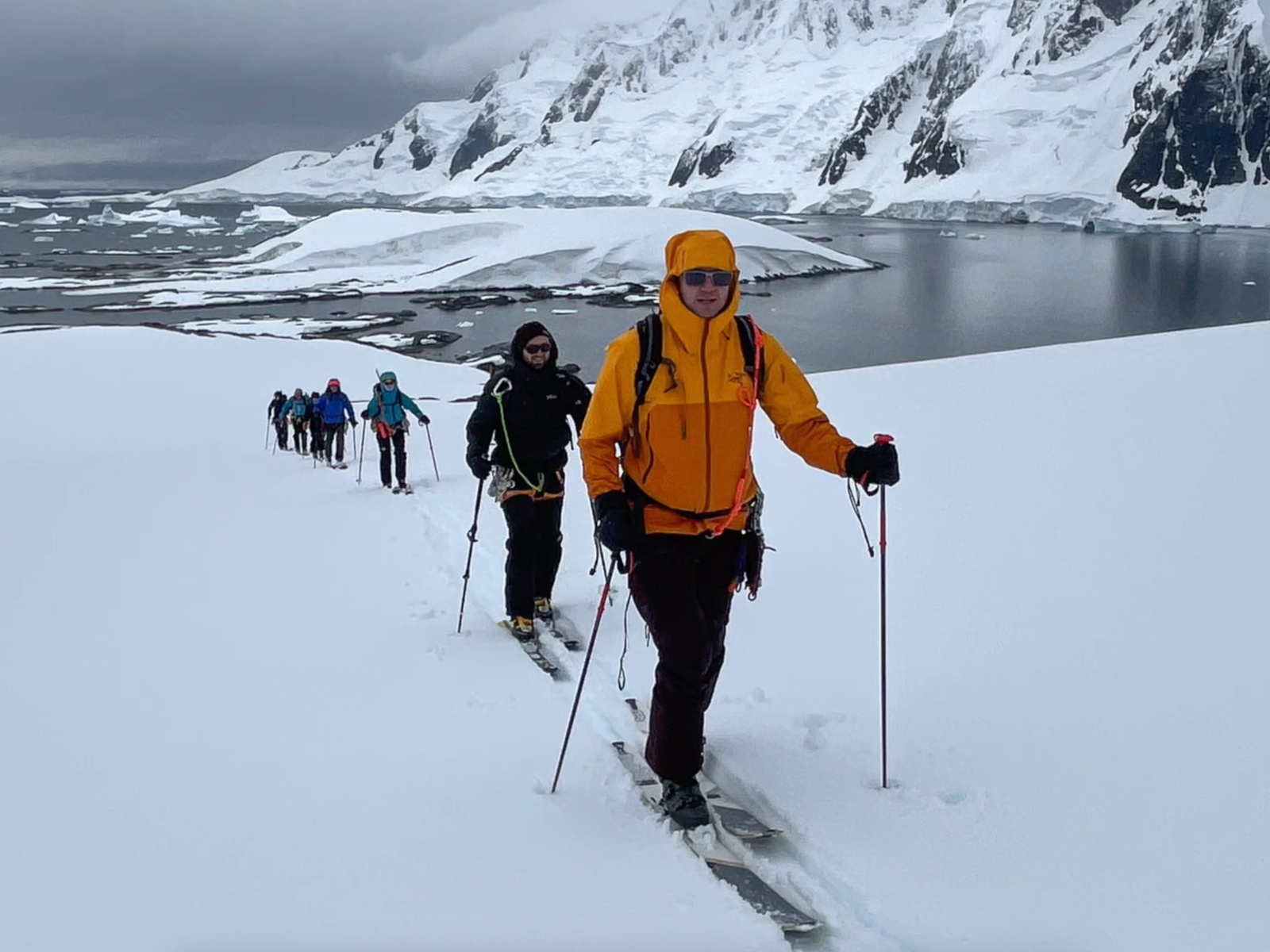
Integrate movement from landing location toward the climbing objective across remote snow and glacier terrain.
Maintain practical communication between vessel and field operations where external support could not be assumed.
Retain weather margins, alternative plans and recovery options throughout vessel and field activity.
Delivery evidence
Antarctica
Remote maritime + mountain environment
Vessel-supported
Expedition access + logistics platform
Sea to summit
Passage, landing, field approach + climbing objective
First ascent
Mount Bridgman
In a vessel-supported polar expedition, the summit objective is only one part of the delivery problem. The maritime, field and climbing plans must remain connected from departure through recovery.
Passage-making, readiness, stores, access and remote support.
Transfer of personnel and equipment from maritime to field operations.
Ski/glacier movement, equipment, communications and operating decisions.
The climbing plan supported by the wider expedition system.
The delivery path
Prepare
Passage
Access
Field approach
Climb
Recover
Each stage depended on the one before it. Vessel preparation enabled passage-making; passage-making enabled access; access enabled the field approach; and field logistics created the opportunity to attempt the climbing objective while preserving a viable recovery plan.
Vessel + field interface
Weather, vessel positioning, access and timing shape what the field team can realistically attempt.
Changes in route, timing, conditions or recovery requirements affect vessel support and operating decisions.
The vessel and field team require a shared understanding of location, timing, conditions and fallback arrangements.
The outcome
The vessel-supported expedition successfully integrated maritime access, field logistics and climbing activity around the Mount Bridgman objective, resulting in the first ascent of the mountain.
The significance to BMP Maritime is not simply the summit outcome. The expedition demonstrates practical delivery where vessel capability, remote access, equipment, field movement, communications and contingency arrangements all had to function as one coordinated system.
Expedition gallery